
Winter Burial in the Forest
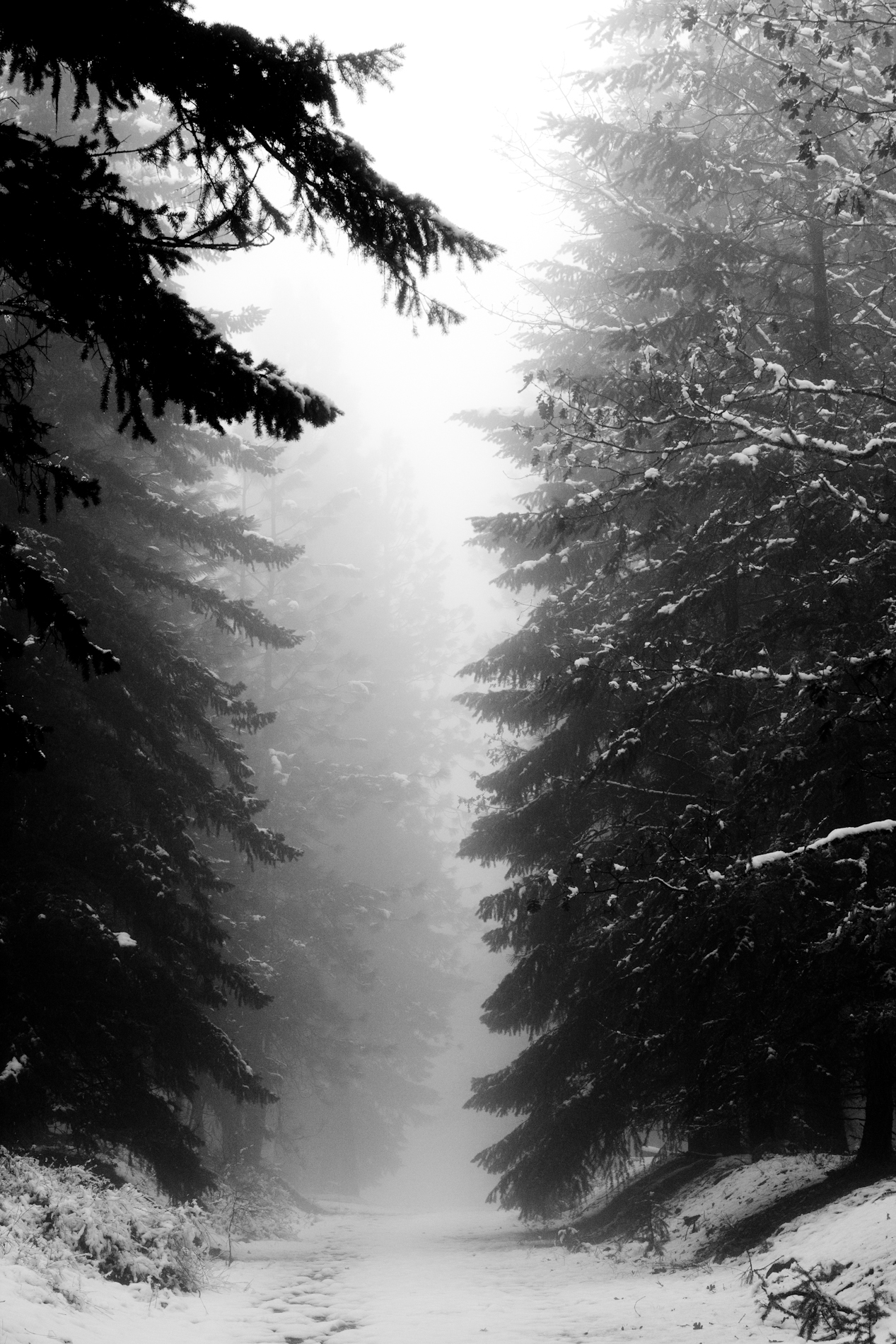
One of the remarkable things about the Herland Forest Natural Burial Cemetery is that we’re committed to doing natural burials year round.
Death doesn’t take a mid-winter holiday, and neither do we.
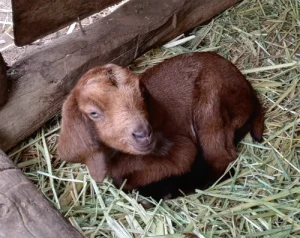
We live here along with our sheep and our goats, and they need to be fed and watered right through the winter.
And January is birthing month, so we don’t have the option of not dealing with snow and ice. When the babies come, we have to be out there checking on the expectant mothers and helping them get the newborns tucked away in shelter.
And so over time we’ve developed the resources needed to be able to operate even in deep snow.
When someone selects their future place in the Herland forest, we go ahead and dig the grave by hand. That way, whenever death comes–whether the ground is dry and hard in July, or there’s a foot or two of snow in February–the grave is ready to go.
Once dug the grave is filled with wood chips generated from the forest. By removing low branches and thinning out overcrowded trees, we open up the forest. This accomplishes a series of beneficial effects that help protect the health of the forest.
A key benefit is a reduction in the danger of late summer forest fires which are an ongoing concern for anyone who lives in the forests of the Pacific Northwest. A clean forest is a safe and healthy forest.
Removing the damage caused by winter storms reduces the accumulation of fuel on the forest floor. Come the dry months of July, August, and September, piles of dead branches would pose a fire risk when summer thunderstorms start generating lightning strikes.
So, our practice is to process branches broken by winter storms into wood chips, and to then sequester those chips in the ground. That process increases both the organic content of the forest’s soil, and increases its ability to retain moisture as the forest waits for the October rain.
Sequestering forest waste in the ground also helps sustain the mycological network that forms the biological heart of any forest. A tree can draw water, carbon dioxide, and sunshine from its surroundings, but in order to grow, it needs access to a host of minerals such as magnesium, potassium, calcium, etc. The mycological network seeks out these elements and conveys them to the trees where they’re traded for sugar.
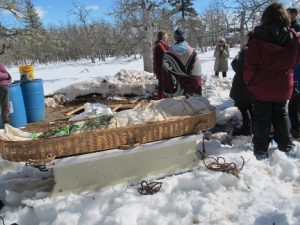
the sleigh gets through the snow to the grave
In January and February, Herland Forest usually rests under a blanket of snow. That coverage can make it difficult for pall bears so we built a special sled to transport the body through the trees to the grave site.
In preparation for the burial, we remove half of the wood chips from the grave. When the family is ready, the body is lowered into the grave. Then the rest of the chips are returned to the grave, and a dirt cap is added to seal the grave.
It’s common for family and friends to return in the spring when flowers are in bloom and the trees are budding out again. Herland is envisioned as a living memorial where love is remembered and life goes on. Most cemeteries do not allow families to plant flowers on a grave; Herland encourages families to turn the grave into a bouquet.
Natural burial enables us all to continue being part of life’s pageant. So don’t let the challenge of a winter burial deter you from considering Herland as a place where you can rejoin with nature.
Just remember in the winter
Far beneath the bitter snow
Lies the seed that with the sun’s love
In the spring becomes the rose.
— Amanda McBroom